Short answer: yes. Lentils have a low glycemic index of about 30 and roughly 8g of fiber per half-cup, so they raise blood glucose slowly. In a randomized trial in people with type 2 diabetes, adding legumes like lentils to a low-glycemic-index diet lowered HbA1c by 0.5% (versus 0.3% for a high-fiber wheat diet). (Jenkins et al., Arch Intern Med, 2012. PMID: 23089999)
Lentil nutrition per serving
| Cooked lentils | ½ cup (99g) | 1 cup (198g) |
|---|---|---|
| Calories | 115 | 230 |
| Total carbs | 20g | 40g |
| Fiber | 7.8g | 15.6g |
| Net carbs | 12.2g | 24.4g |
| Protein | 8.9g | 17.9g |
| Glycemic index | ~30 (low) | ~30 (low) |
| Glycemic load | 3.6 (low) | 7.3 (low) |
| Sodium (unsalted) | 2mg | 4mg |
Source: USDA FoodData Central (cooked lentils, no salt) and MedMenu glycemic database. Net carbs = total carbs minus fiber.
Are lentils good for diabetes?
Lentils are one of the most useful carbohydrate foods to reach for when managing blood sugar, for three reasons that reinforce each other:
- Very high fiber. A half-cup carries about 8g. Higher fiber intake is consistently linked to better glycemic control and lower cardiovascular risk (Reynolds et al., The Lancet, 2019. PMID: 30638909).
- Low glycemic index (~30). Low-GI diets have been shown to reduce HbA1c compared with higher-GI eating patterns (Cochrane review, 2009. PMID: 19160276).
- Plant protein and satiety. About 9g of protein per half-cup helps with fullness and displaces more refined, faster-digesting carbohydrates on the plate.
This is why lentils, and dal in particular, are a cornerstone of plant-forward Indian and Mediterranean eating patterns that align with American Diabetes Association (ADA) guidance.
Do lentils raise blood sugar?
They do, but slowly. Lentils are still a carbohydrate, so they will raise blood glucose, but their glycemic load is low (about 3.6 for a half-cup). Glycemic load accounts for both how fast a food raises glucose and how much carbohydrate is in the portion. A half-cup of lentils raises blood sugar far more gently than the same carb amount from white rice.
On portions: a half-cup is about 12g of net carbs, roughly a quarter of the ~45g-per-meal carbohydrate figure commonly used for diabetes carb counting. A full cup is about 24g. The ADA is clear that there is no single carb target for everyone, so use your own glucose response as the guide.
The best way to eat lentils with diabetes
- Keep dal light on oil and salt. A modest tempering (tadka) is fine; a heavy hand adds calories and sodium.
- Pair with vegetables, not a big bowl of rice. Serve dal over cauliflower rice or with a large side of greens to keep the meal's total carbs down.
- Add acid or fat. A squeeze of lemon or a spoon of yogurt slows the glucose rise further.
- Whole beats blended. Whole lentils digest more slowly than heavily pureed soups.
This is general information, not medical advice. Your clinician or dietitian and your own glucose readings come first.
Diabetic-friendly lentil recipes on MedMenu
Every recipe below aligns with ADA carbohydrate guidance and shows its full per-serving nutrition analysis in the app.
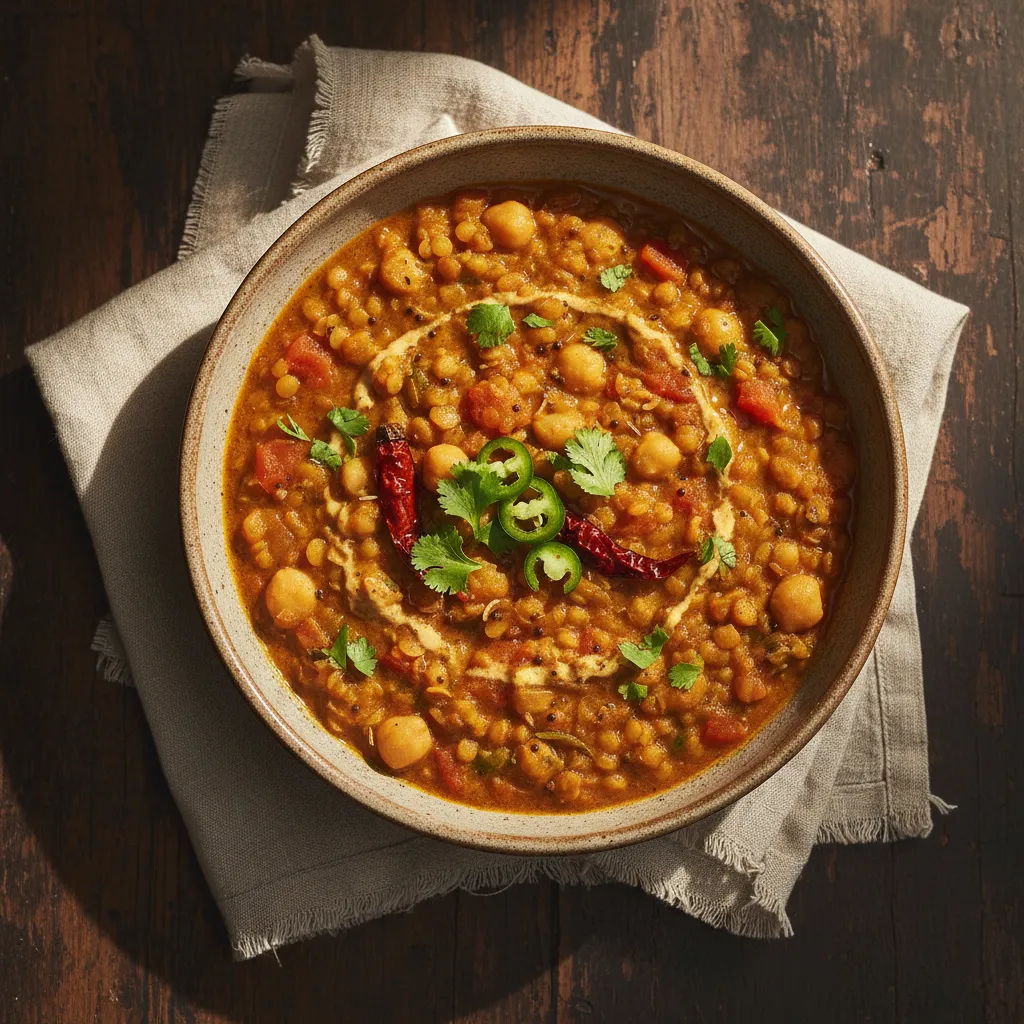
Indian
Mixed Dal Curry
250 kcal · 14g protein · 8g fiber · GI 25
See full recipe →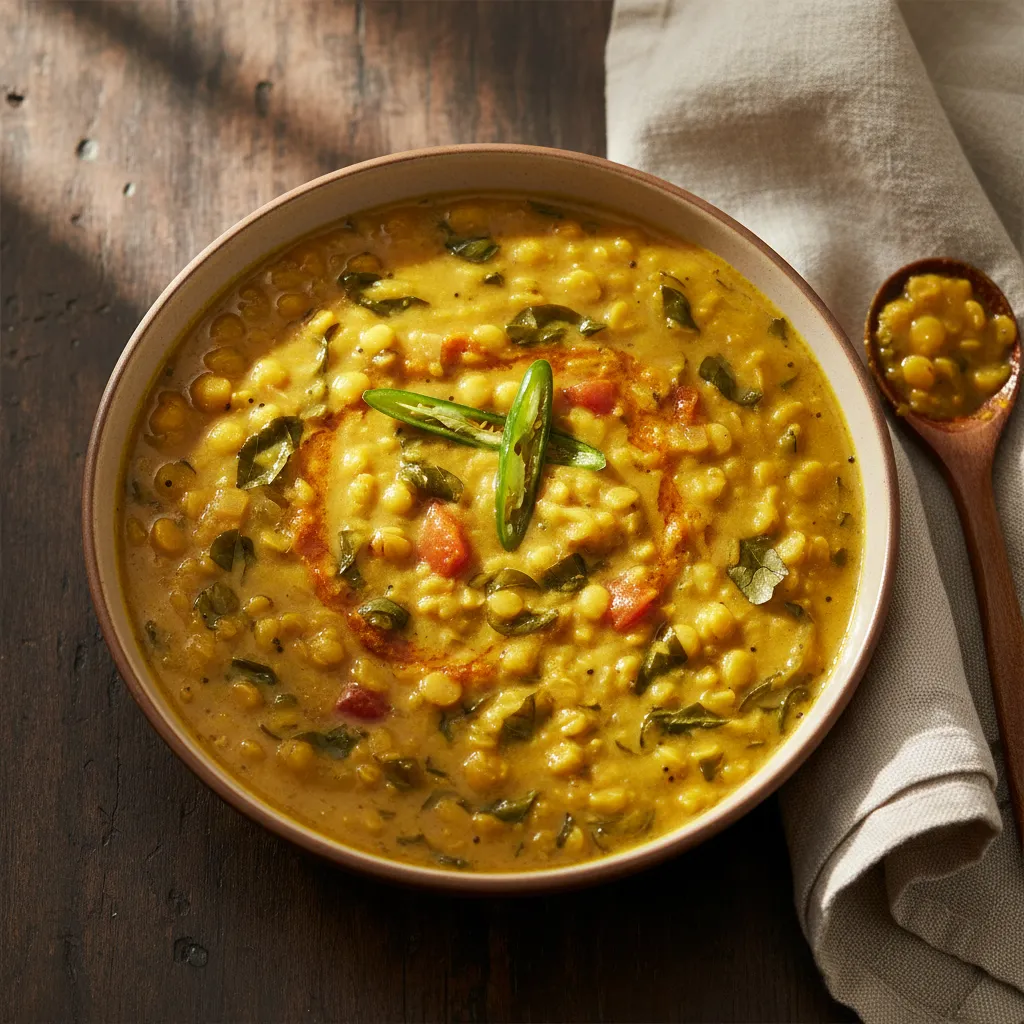
Indian
Fenugreek Dal
271 kcal · 14g protein · 7g fiber · GI 26
See full recipe →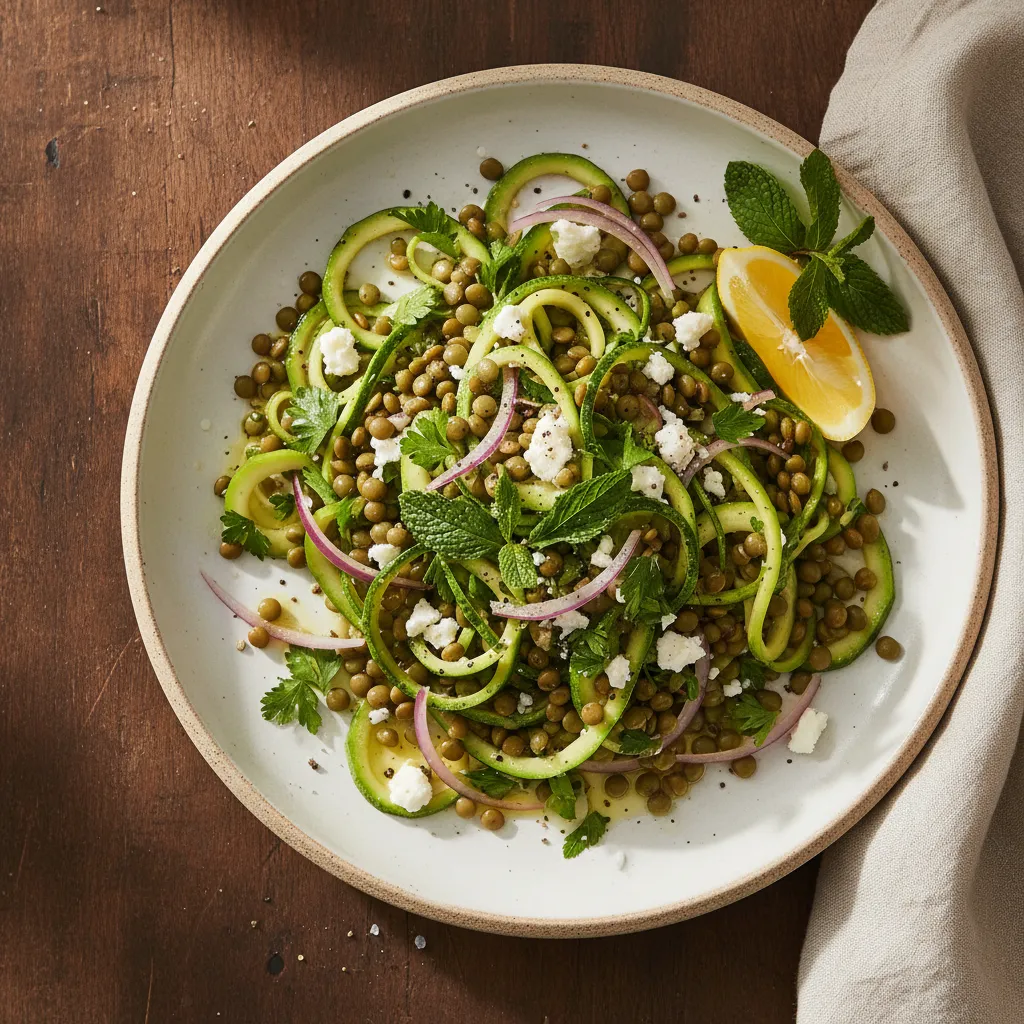
Mediterranean
Zucchini & Lentil Salad
288 kcal · 15g protein · 7g fiber · GI 26
See full recipe →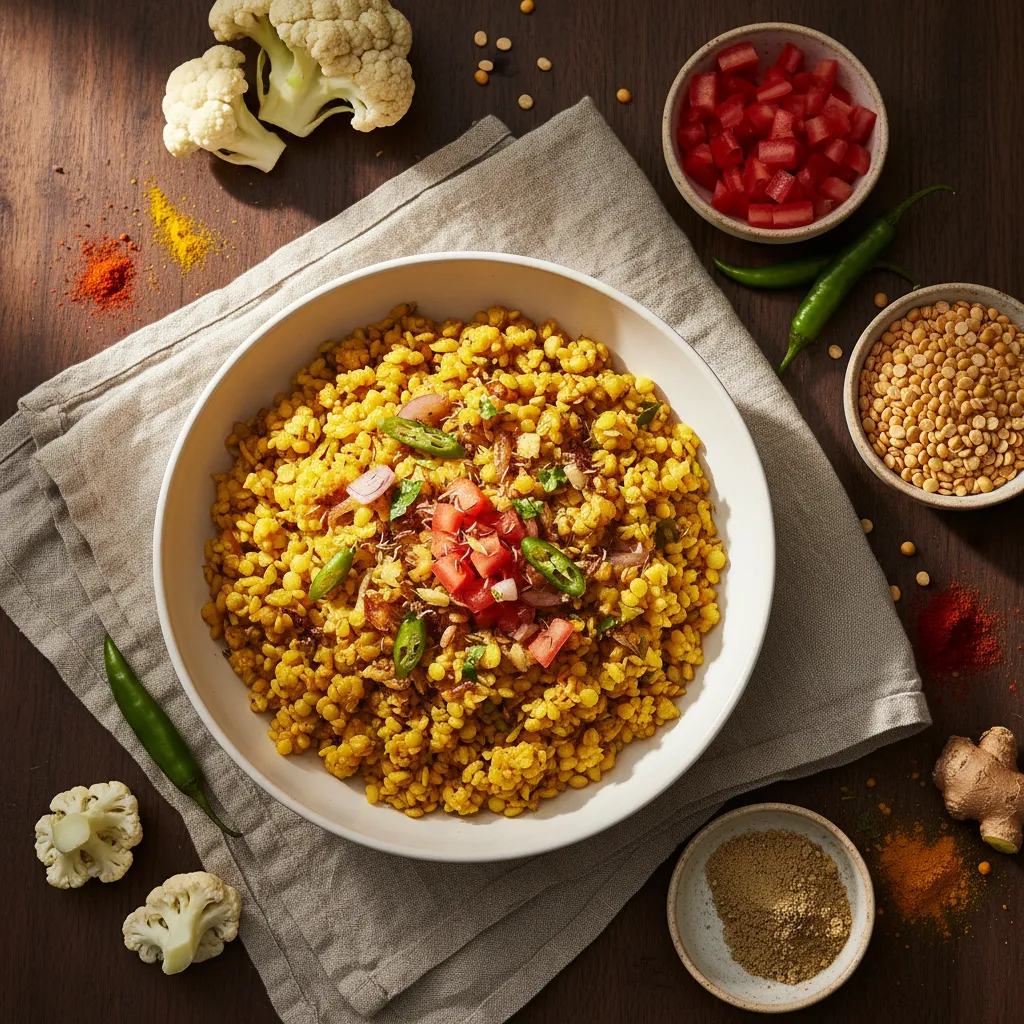
Indian
Cauliflower Rice with Dal Tadka
307 kcal · 16g protein · 10g fiber · GI 24
See full recipe →Found a lentil recipe elsewhere?
Paste it into MedMenu and get an instant per-serving breakdown for your conditions.
Check any recipeRelated: Can diabetics eat chickpeas? · Can diabetics eat quinoa? · More diabetes-friendly foods · Indian recipes for diabetes